Glutathione Powder and Liver Health — The Detox Mechanism Behind the Supplement
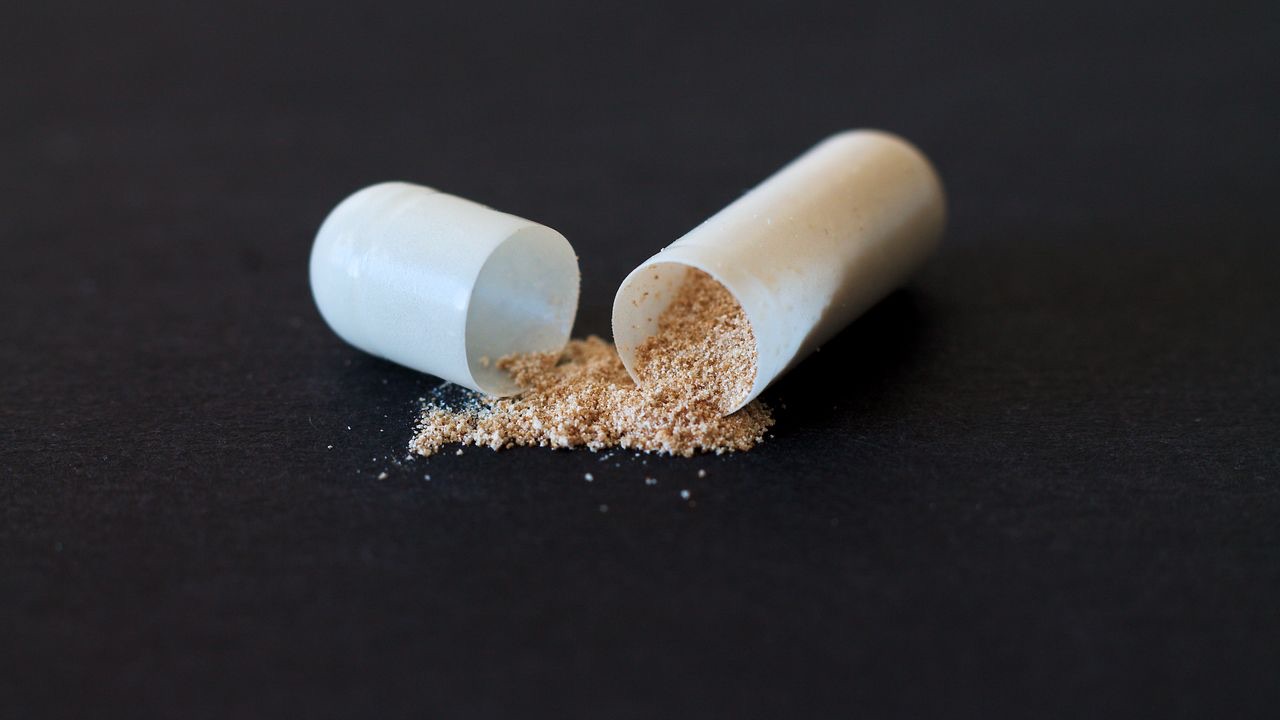
The liver is one of the most chemically active organs in the body, and the volume of work it handles daily is staggering. Every substance that enters the bloodstream — from medications to food additives to environmental pollutants — eventually passes through the liver for processing. That processing generates reactive byproducts, and managing those byproducts requires a substantial supply of antioxidants. Glutathione sits at the center of that supply.
Understanding why people take glutathione supplements for liver health requires understanding what the liver actually does with it — which is more specific than the vague “detox” language that’s common in supplement marketing.
What the liver does with glutathione
The liver manufactures glutathione in larger quantities than almost any other tissue. It uses this supply for two primary purposes: direct antioxidant defense and conjugation reactions.
The antioxidant role is straightforward. The liver’s metabolic activity generates reactive oxygen species as a byproduct, and glutathione neutralizes these before they can damage liver cells. Hepatocytes — the main functional cells of the liver — maintain high intracellular glutathione concentrations specifically because their metabolic workload is high. When those concentrations drop below a threshold, oxidative damage to liver tissue accelerates, which is part of why glutathione depletion is associated with liver disease progression in conditions like non-alcoholic fatty liver disease and alcoholic hepatitis.
The conjugation role is more specific. In what’s called Phase II liver detoxification, glutathione conjugates with reactive metabolites — the toxic intermediate compounds produced when the liver breaks down drugs, environmental chemicals, and certain foods. These conjugates are more water-soluble than the original compounds and can be excreted through bile or urine. Without adequate glutathione for this conjugation step, reactive metabolites accumulate and can damage liver cells or enter systemic circulation.
Alcohol and glutathione depletion
Alcohol metabolism is one of the clearest examples of how a specific substance can deplete hepatic glutathione. When ethanol is metabolized by the liver, the process generates acetaldehyde, which reacts with and depletes glutathione, and reactive oxygen species that further consume the remaining supply. Heavy or chronic alcohol consumption creates a sustained state of hepatic glutathione depletion that contributes to the progression from alcoholic fatty liver to alcoholic hepatitis and, in severe cases, cirrhosis.
This relationship is why glutathione has been studied in the context of alcohol-related liver damage, and why some clinicians monitor glutathione status in patients with a history of heavy alcohol use. The depletion mechanism is well-established; what’s less settled is whether oral supplementation raises hepatic glutathione levels enough to make a meaningful clinical difference in established liver disease, which is an important nuance.
Medications and hepatic glutathione demand
Certain medications increase the demand on hepatic glutathione because of how they’re metabolized. Acetaminophen (paracetamol) is the best-documented example. At normal doses, the liver metabolizes acetaminophen through multiple pathways, with only a small fraction going through the pathway that produces a reactive metabolite called NAPQI. Glutathione conjugates with NAPQI and renders it harmless.
At toxic doses — or at normal doses in people with already-depleted glutathione from malnutrition, alcohol use, or other causes — NAPQI production overwhelms the available glutathione supply. The uncoupled NAPQI binds to liver cell proteins and causes hepatocyte death. This is why N-acetylcysteine (a glutathione precursor) is used as the standard treatment for acetaminophen overdose: it replenishes the substrate the liver needs to make more glutathione quickly enough to prevent irreversible damage.
This mechanism doesn’t mean people taking normal acetaminophen doses need to supplement glutathione as a protective measure — the liver’s normal production handles normal metabolic demands. But it illustrates the functional importance of glutathione availability for this specific metabolic pathway.
The supplementation question: does oral glutathione reach the liver?
The legitimate scientific question about glutathione supplementation is bioavailability: does orally administered glutathione actually raise hepatic glutathione levels, or is it broken down in the gastrointestinal tract before it can be absorbed intact?
Earlier research suggested that oral glutathione was substantially degraded before reaching systemic circulation, which led to the preference for precursor supplementation (particularly N-acetylcysteine and whey protein, both of which provide cysteine — the rate-limiting substrate for glutathione synthesis). More recent studies using liposomal glutathione formulations and sublingual delivery have shown better absorption profiles, and some clinical studies have demonstrated increases in blood glutathione levels with oral supplementation, though the specific question of hepatic tissue levels is harder to measure directly in human studies.
For supplement manufacturers and formulators, the bioavailability question influences both product format selection and the claims that can responsibly be made. Glutathione powder formulated for liposomal delivery or combined with absorption enhancers represents a different product than standard oral powder, and the evidence base for the two is not identical.
What happens when liver glutathione is chronically low
The consequences of chronically depleted hepatic glutathione show up in the long-term trajectory of liver disease rather than in acute symptoms that would prompt someone to seek immediate attention.
Oxidative stress in hepatocytes drives inflammatory signaling, which over years can contribute to fibrosis — the replacement of functional liver tissue with scar tissue. Fibrosis is the common endpoint of most forms of chronic liver disease, and reducing hepatic oxidative stress is one of the theoretical mechanisms by which adequate glutathione status might slow that progression. The clinical evidence for this in humans remains incomplete, partly because liver disease involves multiple interacting factors and partly because interventional trials long enough to observe fibrosis outcomes are difficult and expensive to conduct.
What the research does establish clearly is the functional role of glutathione in normal hepatic metabolism, the specific depletion mechanisms associated with alcohol and certain medications, and the association between low glutathione levels and worse outcomes in established liver disease. Whether supplementation meaningfully addresses those relationships in healthy people without specific risk factors is a different, more contested question — and one that honest supplement marketing should acknowledge rather than paper over.
Practical context for consumers
For most people without liver disease or specific risk factors, the liver maintains its own glutathione supply from dietary cysteine, glutamate, and glycine — the amino acid precursors. Adequate protein intake, limited alcohol consumption, and avoiding excessive doses of hepatotoxic medications are the interventions with the clearest evidence for maintaining hepatic glutathione at functional levels.
The interest in glutathione supplementation is most substantiated for people with specific conditions that compromise the liver’s own production — malnutrition, alcohol use disorder, certain chronic diseases — or for use in specific clinical contexts like acetaminophen overdose treatment with N-acetylcysteine. For the broader consumer market, the liver health framing works best when it’s grounded in what the research actually shows rather than in generalized detox claims that outrun the evidence.