Terminal Distribution Units: Types and Applications
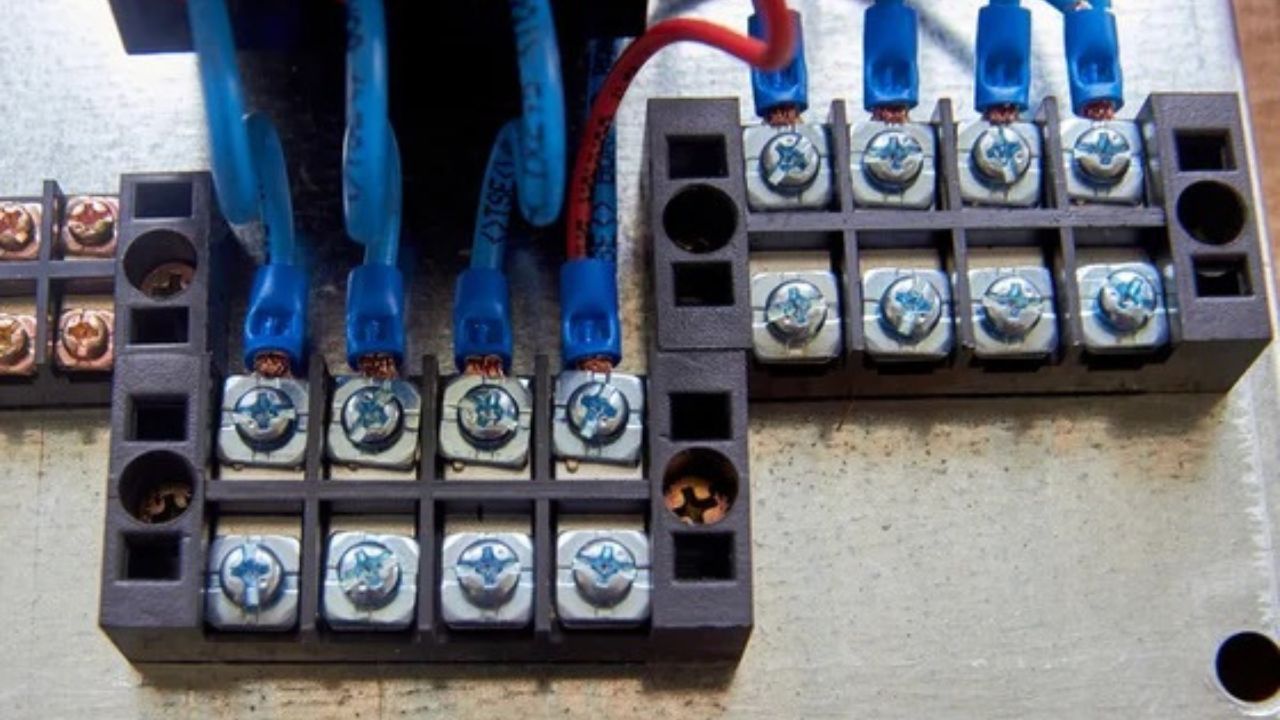
The terminal distribution unit is a very crucial element in the current electrical systems, as it offers secure, orderly, and effective contact points in the distribution of power. The units are common in residential, commercial, and industrial facilities to regulate incoming and outgoing electric circuits. The terminal distribution units also play a major role in the overall system safety and performance by ensuring good connectivity and making maintenance easier.
Knowing Terminal Distribution Units
A terminal distribution unit is an electrical assembly that is used to supply electrical power from a main supply to several branch circuits. It normally has terminal blocks, protective enclosures, and connection accessories that enable conductors to be safely terminated and routed. Such units are also designed to reduce the complexity of wiring, enhance accessibility, and ensure safety.
The terminal distribution units are also a point of contact between power sources, control systems, and end-use equipment in a number of applications. Their design assists them in saving time in installation and minimizes the chances of making mistakes during the process of wiring.
Typical Terminal Distribution Unit types
Terminal distribution units come in a wide variety of forms to suit the different voltage rates, current ratings, and installation conditions. A typical example is the modular terminal distribution unit that utilizes uniform terminal blocks on DIN rails. This design is flexible, easy to expand, and replacement of individual terminals is easy.
The other common one is the enclosed terminal distribution unit. These units are enclosed within protective containers of metal or high-strength plastic, which provide protection against dust, moisture, and unintentional contact. Enclosed designs can also be applied, particularly where industrial settings are prone to safety and durability.
Materials and Design
Materials and construction have a significant impact on the performance of the terminal distribution unit. Copper or Copper alloys are generally used as terminal blocks, with a very high conductivity and low resistance. Insulating materials should be non-flammable and able to resist heat, mechanical force, and other environmental conditions.
The design has to be taken into consideration, such as spacing between terminals, insulation clearances, and the capability to withstand short-circuit conditions. An effectively developed unit is not only capable of meeting electrical requirements but also facilitates reliability in the long term and easy maintenance.
Residential Electrical Systems Uses
Terminal distribution units are also utilized in residential buildings through distribution boards to make connections of lighting circuits, socket outlets, and household appliances. They assist in arranging the wiring within a limited area and ensure a safe connection, eliminating the chances of having loose wires and overheating.
Due to the growing smart home application and power usage, terminal distribution units will offer more flexibility to handle more circuits and equipment safely.
Commercial and Industrial Applications
Terminal distribution units are essential in commercial and industrial establishments because of effective power management. These units are used in commercial buildings where they serve as supports to lighting systems, HVAC equipment, and data infrastructure. They are well organized and thus easy to troubleshoot and expand in the future.
Terminal distribution units are needed in the industrial environment to provide links between the machinery, motor control systems, and automation devices. They should withstand their increased currents, vibration, and rough environmental conditions. Distribution of the terminal is reliable to reduce downtime that happens due to electrical faults, and to achieve continuity in the operations of the terminal.
Role in Power Distribution and Control Systems
Terminal distribution units are also important in power distribution and control panels. They are used as nodes of contact between circuit breakers, contacts, relays, and field equipment. They simplify the clarity of the systems by centralizing the connections of wiring and minimizing errors made during the installation.
In control systems, such units are used to isolate power and control wiring, and this improves the signal quality and the general performance of the system. This is of particular significance in sensitive automation and monitoring applications.
Significance of Standards and Safety Compliance.
Terminal distribution units are sensitive to the international and regional electrical standards. Certified units are subjected to tests of electrical strength, insulation performance, and fire resistance. When using standards like IEC or UL, one can be sure that other electrical elements will work with the elements and make their use safer.
Approval and inspection of projects are also easier to accomplish with certified terminal distribution units, and it is a favorite among professional installations.
Conclusion
The basic elements in the contemporary electrical systems are terminal distribution units, which provide safe, efficient, and orderly distribution of power throughout a vast area of application. They are required wherever residential wiring is done, and their reliability and versatility are at the point of interminable use in complex industrial control systems. Choosing the type and proper installation, terminal distribution units are likely to improve the performance, safety, and lifespan of electrical systems to a considerable degree.