What the Plastic Material Choice Actually Means for a Sports Water Bottle Order
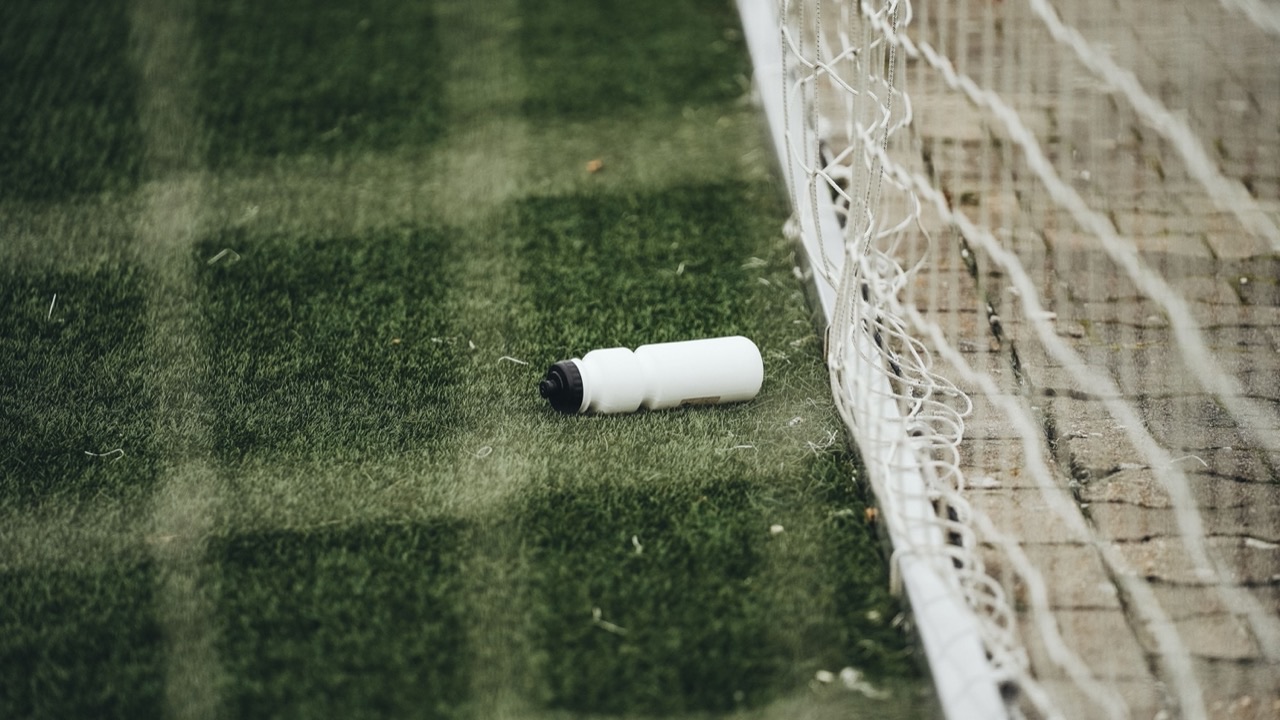
Plastic sports water bottles get described in wholesale catalogs as “BPA-free” almost universally. That label is accurate — the industry moved away from bisphenol-A years ago — but it tells you almost nothing about the actual material the bottle is made from or how it will perform. Behind “BPA-free” is a selection of plastics that differ meaningfully in clarity, impact resistance, temperature tolerance, chemical resistance, and cost, and those differences translate directly into how the product ages in the hands of actual users.
Buyers who understand the material options make better sourcing decisions. They don’t over-spec and pay for properties the product doesn’t need, and they don’t under-spec and end up with a bottle that clouds, cracks, or takes on flavors within a few months of regular use.
Tritan: the benchmark for clarity and durability
Tritan is a copolyester developed by Eastman Chemical that’s become the de facto premium plastic for sports bottles. Its main advantages over other common options are optical clarity that rivals glass, impact resistance that holds up to drops, and resistance to taking on odors or flavors from beverages. Tritan also resists dishwasher washing better than most other clear plastics — it maintains its clarity and structural integrity through repeated high-temperature wash cycles that would cloud or distort other materials.
The transparency of Tritan matters for a segment of buyers for functional reasons, not just aesthetics. Users who want to monitor how much they’ve consumed during a workout or track hydration through the day get a genuine utility benefit from a clear bottle. A bottle that clouds after a month of daily washing loses that utility.
Tritan’s limitation is cost — it’s priced higher than commodity plastics like PP and PC, and that cost is passed through at the unit price. For buyers whose customers understand what they’re paying for, this is justified. For promotional merchandise buyers where unit cost is the primary constraint, it’s often not.
PETG: the practical middle ground
PETG (polyethylene terephthalate glycol) offers clarity close to Tritan at lower cost. It’s widely used in food-contact applications and has good chemical resistance. The main practical difference from Tritan is reduced impact resistance — PETG bottles can crack at stress points under hard impact in ways that Tritan bottles typically don’t.
For buyers sourcing for markets where the primary use is desk hydration or light activity — and the bottle isn’t likely to take repeated hard drops onto gym floors or trail surfaces — PETG is a reasonable alternative to Tritan that reduces unit cost without sacrificing the clarity that makes plastic bottles worth using over opaque alternatives.
PETG is also less suitable for repeated dishwasher exposure than Tritan. Buyers whose end users wash in dishwashers should confirm with their supplier whether the specific product is rated for dishwasher use and at what temperature, rather than assuming any plastic bottle can handle it.
Polypropylene: the workhorse material
Polypropylene (PP) is the most widely used material in the broader plastic container category. It’s lightweight, chemically resistant, and inexpensive — and it’s opaque or translucent rather than fully clear. Sports bottles made from PP have a different visual profile than Tritan or PETG products; they can be any color but won’t have the glass-like transparency of copolyesters.
PP has excellent heat resistance compared to most other plastics in this category — it can handle boiling water and microwave exposure that would warp or deform PETG and Tritan. This makes it the right material for bottles used primarily for hot beverages or for buyers who specifically need microwave-safe claims on the product.
The material ages well and doesn’t become brittle with UV exposure the way some other plastics do, which makes it appropriate for outdoor use contexts. The main limitation for sports bottle applications is the lack of clarity — buyers for whom the visual of a clear bottle is important won’t get that from PP.
What BPA-free actually covers
The BPA-free designation refers specifically to bisphenol-A, a chemical previously used in polycarbonate (PC) plastics that has regulatory and consumer concerns around hormonal disruption. The market has largely moved away from conventional polycarbonate, and “BPA-free” typically means the product is made from one of the alternative materials listed above.
What BPA-free doesn’t cover is the broader category of bisphenols. BPS (bisphenol-S) is a common BPA substitute that has been used in some “BPA-free” products, with its own regulatory scrutiny. Buyers sourcing for markets with informed consumers or for corporate customers with sustainability commitments should ask suppliers specifically about bisphenol-S and confirm that the formulation avoids it. This is a more specific question than “is it BPA-free” and a reputable supplier will have a clear answer.
Food-contact certification and what it verifies
When working with plastic water bottle suppliers, the certifications worth asking for are FDA compliance (for US market) and LFGB compliance (for EU market). These aren’t certificates the factory holds — they’re test results from third-party laboratories that confirm the specific product, in the specific materials and finishes used, doesn’t migrate restricted substances into food or beverages at concentrations above defined limits.
The important detail is that these test results apply to a specific product in its final form. A bottle that passes LFGB testing in a natural finish may not have the same certification in a printed or coated version if the printing inks or coatings introduce substances not covered by the original test. Ask for test reports that cover the version of the product you’re actually ordering — with the specific color, finish, and branding method — rather than a certificate for the base material or a different product variant.
Lid material considerations
The lid of a sports water bottle is often a different material from the body, and its certification matters as much as the body’s. Silicone seals and gaskets used in sports bottle lids should be food-grade silicone with their own food-contact compliance. Polypropylene flip tops and straw lids should carry the same FDA or LFGB compliance as the bottle body.
Buyers who receive a test report for the bottle body only should request additional documentation for the lid assembly. This is a common gap in documentation that surfaces at retail shelf compliance checks or during quality audits and is straightforward to address before the order ships if caught early.
Kids’ bottles: stricter requirements apply
If the product line includes children’s bottles — products marketed for or primarily used by children — additional regulatory requirements apply in most markets. The EU’s EN 71 standard for toy safety applies to children’s bottles in some contexts; Prop 65 in California imposes stricter limits on certain chemicals that matter specifically for products children put in their mouths. Buyers sourcing kids’ water bottles should confirm compliance specifically with children’s product standards, not just food-contact standards for adult use.